The truth about natural cleaning
Many of us try to buy organic food as much as possible. But organic practices are slowly but surely finding their way into the rest of our everyday lives as well.
You might buy a t-shirt made of organic cotton, or use organic face cream on your skin. Surely you are also interested in learning more about organic cleaning.
We will now look at what the term organic really means in this context. We will also see what you can do to make your cleaning more environmentally friendly.
What does organic really mean?
That something is organic means that it has been grown without the use of artificial pesticides and fertilisers.
Usually we talk about food, but of course there are crops grown for other purposes than eating. But generally, it is primarily food products that are referred to as organic.
There are many benefits of organic farming. For example, those working with the crops are not exposed to harmful substances that can cause illnesses and injuries.
It also avoids small amounts of chemicals ending up in the final product itself. Organic farming is better for the environment, which is the main reason to choose organic products.
Is organic the only right choice?
It is important to distinguish the concepts. You can clean using natural substances such as vinegar and lemon without it counting as organic cleaning.
The grapes in the vinegar and the lemons might be grown using artificial pesticides. In this case, it would be natural cleaning, but not organic.
A quick Google search can give you loads of suggestions for organic cleaning products, but it is good to know that organic certifications mainly exist for food.
When you buy non-food items, it is better to look for the labels Bra miljöval or Svanen. Then you know you are getting products that have undergone thorough review and live up to their claims.
When people talk about organic cleaning, they most often actually mean natural, chemical-free cleaning.
One of the definitions of the word organic in the Swedish Dictionary is "that which exists in or promotes a harmonious interaction between organisms and their environment."
For many, the word is synonymous with environmentally friendly. But you should keep in mind that a product can be organically grown, but if it has been transported halfway around the world, it might not actually be very environmentally friendly.
The term "eco" is very trendy and is frequently used in marketing to get consumers to buy products that might not really be better than others but cost much more.
The safest option is to choose products that are eco-labelled. There are plenty of eco-labelled cleaning products in your regular supermarket, making it easy to find good cleaning agents.
Let's take a look at what the different eco-labels reveal about the products.
Cleaning products labelled with Bra Miljöval
Bra Miljöval is the Swedish Society for Nature Conservation's own label and is operated on a non-profit basis. This means it is independent and sets high standards. It is the only label in Sweden originating from an environmental organisation.
Here you can find products labelled with Bra Miljöval. An example of a cleaning product with the Bra Miljöval label is Ren Logik Allrent Nyponblom.
Cleaning products labelled with Svanen
Svanen is a label from the government-owned company Miljömärkning Sverige. This label is also non-profit and is commissioned by the government.
An example of a Svanen-labelled cleaning product is WC-rent from Coop's organic brand Änglamark. It was recently named Best in Test by Råd och Rön and is very effective while being kind to the environment.
Natural cleaning – not always environmentally friendly
There are a few food items you probably already have in your pantry that you can use for cleaning.
Vinegar, lemon, acetic acid and bicarbonate of soda are popular choices. And sure, they are natural. If you make sure to buy organic versions, you can truly say that you clean organically.
But as we mentioned earlier, it is not only the contents of what you use to clean that determines if it is really environmentally friendly.
Using lemon, for example, is worse for the environment than using an eco-labelled cleaning product, because the lemon has to be transported a long way just to come home to clean your microwave.
The same applies to the vinegar. It does not come from Sweden and many grapes have been used to make it.
Acetic acid is certainly very effective, but it is also corrosive and just as dangerous to get in your eyes as many chemicals.
Actually, bicarbonate of soda is the only one that is completely okay from an environmental point of view among the raw materials Swedes usually use for cleaning at home. Here you can read more about cleaning with bicarbonate of soda.
For many, the environment is not the main reason they want to clean with natural raw materials, but rather a fear that their homes will become filled with dangerous chemicals.
One type of chemical many people are extra curious about is surfactants, which are found in many types of cleaning products. So let's take a quick look at what surfactants are and why you don't need to worry about them.
Surfactants – harmless and found in most things
If you have ever wondered why dish soap, soap, and shampoo foam, the answer is surfactants.
Surfactants are surface-active agents that reduce surface tension and make it possible for oil and water to mix. This is why stubborn dirt easily comes off as soon as you use dish soap.
When a product contains surfactants, it often says some type of sulfate, for example sodium laureth sulfate, which for example is found in Grumme's dish soap.
They can also be called by their abbreviations, SLS or SLES. Even some products for so-called organic cleaning contain surfactants. But the question is: are surfactants/sulfates dangerous?
The answer is no. According to the Swedish Poison Information Centre, surfactants are irritating to mucous membranes and can cause nausea and vomiting if swallowed.
Otherwise, they are not harmful to health in any way. They also note that the foam formed if large amounts are ingested could get into the airways.
Therefore, you should keep cleaning products with surfactants out of reach of small children. Some choose to avoid soaps and shampoos with sulfates because they believe they dry out the skin and hair too much, but again, this is not dangerous.
When it comes to cleaning with products containing surfactants, it is completely harmless. Even if a small amount of surfactants remain on surfaces in the home after cleaning, they will not affect your health.
Städade Hem – home cleaning you can trust
We hope you now have answers to some of your questions about organic cleaning, or rather environmentally friendly cleaning.
When we at Städade Hem perform cleaning in the Stockholm area, you can feel confident that we use cleaning products that are not harmful to health or the environment.
Why not get in touch with us for an initial, free visit where we can tell you more about how we can help clean your home?
Related posts
How to clean shower walls, tiles and grout in the best way in your bathroom
Cleaning shower walls in the bathroom will never be difficult again
One could easily think that the shower practically cleans itself. After all, you stand there all day long and rinse it with water and soap! Yet the shower somehow ends up dirty, and if...
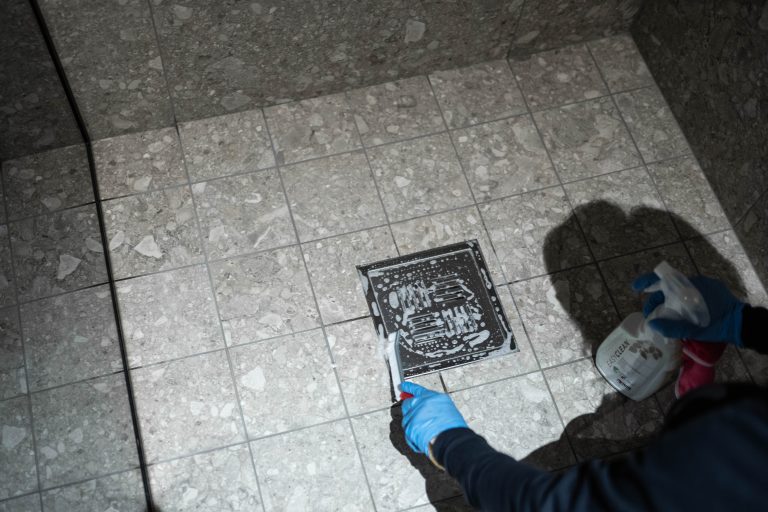
Stop drain blockages with these simple tips!
There are hardly any more unpleasant cleaning chores than cleaning drains. Usually, this procedure involves bad odours, hair, and other things you'd rather avoid touching. Unfortunately, it's not possible to avoid entirely.

The Best Dishcloth For A Sparkling Clean Kitchen
When it comes to achieving a spotless kitchen, the dishcloth plays a crucial role. But with countless options available, which is the best and most effective dishcloth, we think?
Do you have questions about our cleaning services?
We are here for you. Contact us today for a free quote – we help you keep your home sparkling clean.