

How to clean the freezer most easily
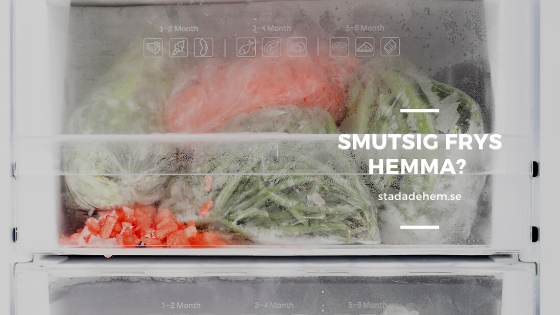
Crumbs from that loaf you froze, sticky mess from the kids' ice cream, and frozen parsley scattered like confetti from the bag.
No matter what you have in your freezer at home, it needs to be cleaned regularly. Sure, probably no guests are looking inside, and the risk of it becoming a breeding ground for germs at minus 18 degrees is small, but that feeling when the freezer is completely clean and organised is reason enough to clean it now and then.
It’s not just about cleaning, most freezers also need to be defrosted regularly, both so you can open the drawers and because they use less electricity that way. So how do you do it? Here are some simple tips!
Empty the freezer in two ways
Before you do anything else – turn off the freezer!
The biggest problem with cleaning and defrosting the freezer is the food. The less food you have in the freezer to begin with, the better, so start eating leftovers for dinner and don’t buy more frozen food until you’ve cleaned it, unless you have an extra freezer you can transfer it to.
Tip: If you have lots of frozen vegetables to use up, you can make a stir-fry with noodles or rice where the vegetables take centre stage. Some Asian ingredients like fish sauce, sesame oil and rice vinegar can quickly turn dull old vegetables into everyday heroes!
Once you’ve eaten all you can and are ready to clean the freezer, start by emptying it of food. If it’s winter, you can put the food outside, and if it’s summer, at least try to do it on a cooler day. The best is always to defrost during the winter months, but sometimes you simply can’t wait if you want to open and close the frosty drawers.
If you’re worried about everything melting, you can wrap it in newspaper and put it in boxes with ice packs. You can also put the most sensitive food in a cooler bag. If it’s an emergency, of course you can ask a kind neighbour to borrow their freezer for a bit!
Combine defrosting and cleaning
While you’re cleaning the freezer, you might as well take the opportunity to defrost it too, which should be done about twice a year, or as needed. Some freezers are self-defrosting, so if you don’t even see any frost build-up, you can leave it as it is.
It’s important to lay down newspaper or old towels under the freezer to absorb water. Be especially careful if you have wooden floors under the freezer. In that case, plastic can be good to protect the floor.
Take out all the drawers from the freezer and wash them in the shower (they are too big and cumbersome to wash in the kitchen). Meanwhile, the ice will naturally begin to melt. When the drawers are washed and dried, you can use a hairdryer or a fan heater directed at the freezer to speed up melting. Pry off any icicles and put them in the sink to speed things up.
Dry the freezer thoroughly and put the drawers back in and turn the freezer on. Make sure the freezer is completely dry before putting the drawers in because any remaining water will turn to ice again, meaning you’ll need to defrost soon again.
Then just put the food back in and your freezer’s inside is done. Take the chance to organise your food. For example, you could have vegetables in one drawer, bread in another, and frozen food and ice cream in another. Make it easy for the family to find things in the freezer, so you avoid leaving the freezer door open unnecessarily while searching. It’s also easier to keep track of what’s in the freezer so you don’t forget something tasty stuck deep inside.
How long food keeps in the freezer
According to the Swedish National Food Agency, in theory, you can eat food that’s been in the freezer forever, as microorganisms can’t multiply in the cold freezer because they move too slowly in the cold. They emphasise this applies to cooked food. But just because food isn’t directly dangerous to eat doesn’t mean it will taste good or be nutritious.
The amount of fat in food affects its shelf life. If it’s food low in fat, like game meat and white fish, you can store it in the freezer for up to a year without problems. But for foods with higher fat content, like salmon, generally half a year applies. This is because fat goes rancid even when frozen. Rancidity means the fat breaks down into smaller components, causing food to taste and smell bad.
How you store the food in the freezer also affects how long it will keep. Try to use airtight containers and bags. To make it easier for yourself, it’s good to use containers safe for microwave use if the food will later be heated or thawed in the microwave.
You can often read on freezer containers how long food keeps, but if not, you might wonder. Always try to label food that doesn’t already have a date so you know when you froze it. Below is how long common foods keep in the freezer before you need to eat them:
Chicken parts: 9 months
Cooked meat: 3 months
Bacon: 1 month
Lean fish: 6 months
Fatty fish: 1 year
Fresh shrimp: 3-6 months
Butter: 6-9 months
Cheese: 6 months
Vegetables: 12 months
The outside: last but not least
After you’ve defrosted the inside and washed all the freezer drawers, you might easily think you’re done cleaning the freezer, but don’t forget to clean the outside! The handle is especially important to clean, since that’s often touched and can harbour more bacteria.
Start by opening the freezer door and wiping on top. Make sure the cloth reaches deep into the rubber seals where dust and crumbs can accumulate. Then continue wiping the front of the freezer door and the handle. You can go over with a dry cloth or kitchen towel right after the wet cloth. This way, you avoid ugly watermarks on the freezer.
So remember:
- Turn off the freezer.
- Lay towels or newspapers underneath.
- Empty the freezer of food.
- Wash the drawers.
- Let all the ice melt.
- Dry thoroughly.
How to clean a mouldy or smelly freezer
If your freezer has been off and closed, there’s a high risk of mould, which must of course be cleaned thoroughly before you can put food back in. Usually it’s not difficult to remove mould; it comes off easily with a cloth and any cleaning agent.
If you want to be sure and really kill the mould, bleach can be a good option, but make sure to wear gloves. Also be careful to wipe several times with just water after to remove all cleaning residue before putting food back in.
It can take some time to get rid of all the mould, but it’s possible. Just be patient and scrub thoroughly and it will be clean and nice in the end, and there’s no reason you can’t use the freezer just because there was mould in it. Once you’ve cleaned the freezer and it’s completely dry and turned on, it’s ready to work again.
If, however, your freezer smells bad after being turned off, it can be harder. There are several home remedies you can try. For example, some swear by smearing yoghurt all over the freezer. The idea is that bacteria in the yoghurt eat other bacteria. But there are of course less odd methods too. You could try vinegar and lemon. It’s important to leave the freezer door open so it can air out properly. As they say, time heals all wounds, which is actually quite applicable to bad smells too.
How to clean behind the freezer
According to Electrolux, you should vacuum behind the freezer twice a year. Dust build-up makes appliances less efficient, negatively affecting both the environment and your electricity bill. Dust also burns very well, which is another reason to regularly remove dust bunnies.
Cleaning behind the freezer isn’t difficult, but it can certainly be heavy and awkward depending on how the freezer is placed. To clean you need to pull the freezer out from its spot to reach behind. It can help to have two people. Once the freezer is out, just vacuum as usual and mop. Also dust the back of the freezer if needed. If you’re unsure how to pull out the freezer, you could for example book a big clean where you get help and don’t have to struggle yourself.
Feeling keen to clean your freezer? Or does it feel like yet another task on your to-do list that never gets done? If you feel you just don’t have time, why not let us clean your freezer and the rest of your home too? Our professional cleaners are quick, friendly, and efficient. A weekly clean from us at Städade Hem might be exactly what you need to free up time for other things you find important.
One very nice thing is that more and more customers are hiring us for home cleaning in Stockholm.
Related posts
How to clean shower walls, tiles and grout in the best way in your bathroom
Cleaning shower walls in the bathroom will never be difficult again
One could easily think that the shower practically cleans itself. After all, you stand there all day long and rinse it with water and soap! Yet the shower somehow ends up dirty, and if...
Stop drain blockages with these simple tips!
There are hardly any more unpleasant cleaning chores than cleaning drains. Usually, this procedure involves bad odours, hair, and other things you'd rather avoid touching. Unfortunately, it's not possible to avoid entirely.

The Best Dishcloth For A Sparkling Clean Kitchen
When it comes to achieving a spotless kitchen, the dishcloth plays a crucial role. But with countless options available, which is the best and most effective dishcloth, we think?
Do you have questions about our cleaning services?
We are here for you. Contact us today for a free quote – we help you keep your home sparkling clean.