

Mopping floors: How to clean your floor at home in the best way
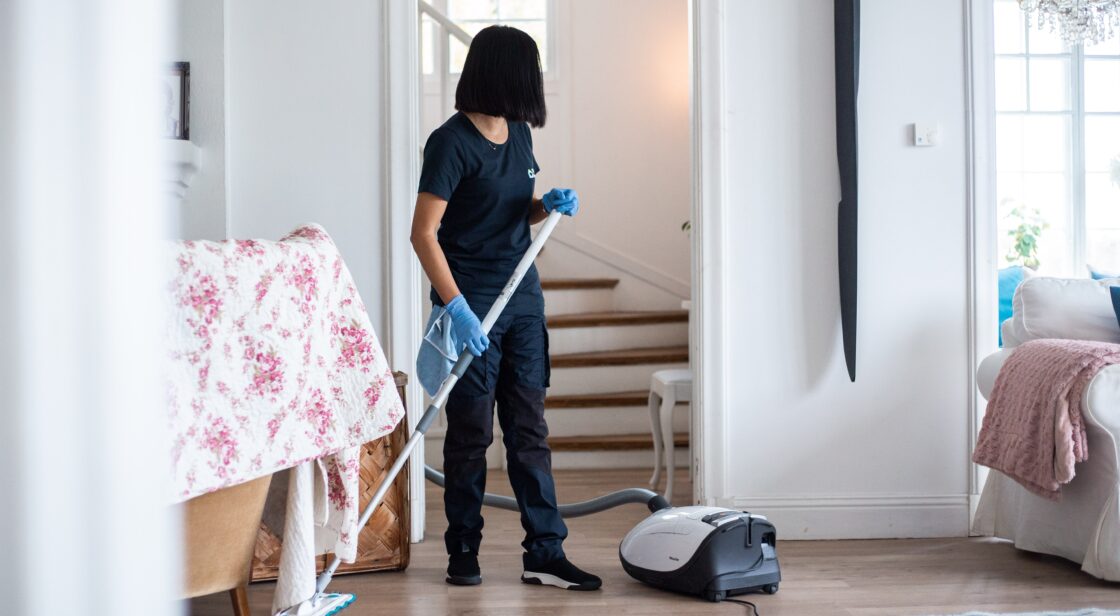
How to mop floors in the best way?
Cleaning the floors is a routine for most households.
At least once a week, you should vacuum and mop, but many need to vacuum more often at least. And vacuuming itself can still be said to be very simple. There isn't much you need to keep track of to use the vacuum cleaner.
Mopping, however, can actually be much more advanced.
Not only does it take some tricks to get the floors really clean, but you also have to dose the products you use according to the type of floor you have and how dirty it is.
Let's find out together how your floors can become sparkling clean!
General tips for mopping
If you feel like a professional floor mop user who just wants a little more detail, you can skip ahead to the headings below.
But for those who are beginners at mopping floors, here are some tips that are good to keep in mind. This is how you wash floors in the traditional way:
Traditional floor mopping (cotton mop)
- It is extremely important that you have vacuumed before you start mopping. Otherwise, you both spread dirt and risk that grit and other debris scratch the floors.
- Use plenty of warm water (fill the bucket properly, but not so it reaches the wringer) and a cleaning product suitable for your floors. Read more about this below. If you're unsure, soap usually works. Check the bottle for how much to use; about a capful is usually enough. If you use too much soap, the floors will become sticky.
- Use a clean mop and adjust the mop handle to the right length before wetting the mop. Lower the entire mop head into the water so that it becomes thoroughly wet and then wring it out with the wringer. Press hard, but not so hard that it breaks.
- Go to the far end of the room you are going to mop and draw the mop over the floor in sweeping movements. You can, for example, move it in a figure eight. Work backwards so that you don't step on the floor you have mopped. For very dirty floors, you might need to do it again.
- Be careful not to use too much water on wooden floors, as they can absorb the water and swell.
- Feel free to open the windows to help the floors dry faster.
- Dip the mop in the bucket at regular intervals. How often depends on how dirty it is.
- Start with rooms that are not very dirty, such as bedrooms, and finish with the bathroom. Mop near the toilet last so that you don't spread that dirt around the rest of the home.
- Ideally, you should wash the mop after each use, but if you don't, at least rinse it thoroughly in hot water, wring it out well and hang the handle so it can hang freely and dry completely; otherwise, bacteria can grow in it.
- Rinse out the bucket so no dirt remains in it.
Mopping floors with a microfiber cloth/microfiber mop
The biggest difference when mopping floors with a microfiber mop is that it goes faster and more smoothly on larger surfaces. See tips on how to do it below.
- Pour plenty of water into a bucket with a few drops of soap. It's better to use too little than too much unless the floor is very dirty and you need to dissolve stubborn stains. But then you have to mop the floor twice; otherwise, the floor will become sticky.
- Set up the mop frame correctly and follow the other steps above.
It’s not more difficult than that! But it can be reassuring to know that you can use different types of mops in different situations to make cleaning more efficient.
Larger areas such as living rooms, kitchens, bedrooms: Microfibre mopSmall areas, bathroom, under chairs in the kitchen: Cotton mop
You can read more about how to mop different types of floors below.
How to clean different types of floors
As we mentioned, different types of floors need different kinds of care. Here are the most common types of floors and which products you can use on them:
Cleaning parquet floors
Parquet floors do best when vacuumed often, at least a couple of times a week, and dry mopped with a microfiber mop. The rule of thumb is the less water, the better. There are special cleaning products for parquet floors, but many use yellow soap. The downside of the soap is that it can form a film on the floor if overdosed, so you have to be a little careful.
Cleaning laminate floors
Cleaning laminate floors is child's play. Vacuuming and a damp cloth for any spots go a long way. When you mop, keep in mind that the floor is very sensitive to water. Never pour water on it and make sure the mop is well wrung out.
Cleaning vinyl floors
Vinyl floors have a protective surface layer that prevents dirt from sticking to the floor, so vacuuming handles most of it. When mopping you can use soap or all-purpose cleaner, but it's also a good idea to wipe over the floor again with just water to avoid a sticky residue from the product.
Refreshing a carpet
The best way to clean a carpet is to rent a carpet cleaning machine or hire a cleaning company, which should be done occasionally to really remove dirt you might not even see with the naked eye. Something you can do from time to time is to sprinkle bicarbonate of soda over the carpet and let it sit for half an hour before vacuuming.
Cleaning plastic mats in the bathroom
Plastic mats in the bathroom are best cleaned with gentle cleaning products such as soap or an environmentally friendly dishwashing liquid. Avoid products with abrasive properties that can scratch the floor. To remove lime deposits, you can clean the floor with vinegar diluted with water. Stains on plastic mats are often impossible to remove, so it's important to wipe the floor immediately when something gets on it. Especially if you dye your hair at home, you should protect the floor with, for example, old towels.
Cleaning untreated wooden floors
Untreated wooden floors are often found in older houses, and then you have to clean them in the old-fashioned way. The best way to clean untreated wooden floors is with soapy water and a brush.
Kneeling and scrubbing is admittedly tiring, but may be needed occasionally to get the floor really clean. Skating around like Pippi Longstocking is not recommended as there will be way too much water…
Use two brushes, a coarser one for stains and a softer one for the rest of the floor. As you scrub the floor, you should go over it again with just water and wipe it with a cloth that absorbs well.
We hope this article has helped you get started so that you can have really clean floors at home. And if you need help with cleaning, we are of course happy to help. Click here to book a first visit where we can talk more about how we can keep your home sparkling clean every week.
Related posts
How to clean shower walls, tiles and grout in the best way in your bathroom
Cleaning shower walls in the bathroom will never be difficult again
One could easily think that the shower practically cleans itself. After all, you stand there all day long and rinse it with water and soap! Yet the shower somehow ends up dirty, and if...
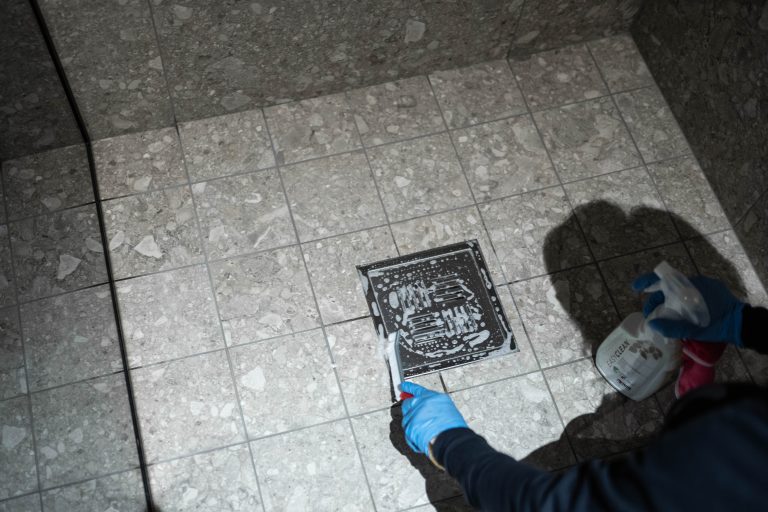
Stop drain blockages with these simple tips!
There are hardly any more unpleasant cleaning chores than cleaning drains. Usually, this procedure involves bad odours, hair, and other things you'd rather avoid touching. Unfortunately, it's not possible to avoid entirely.

The Best Dishcloth For A Sparkling Clean Kitchen
When it comes to achieving a spotless kitchen, the dishcloth plays a crucial role. But with countless options available, which is the best and most effective dishcloth, we think?
Do you have questions about our cleaning services?
We are here for you. Contact us today for a free quote – we help you keep your home sparkling clean.